
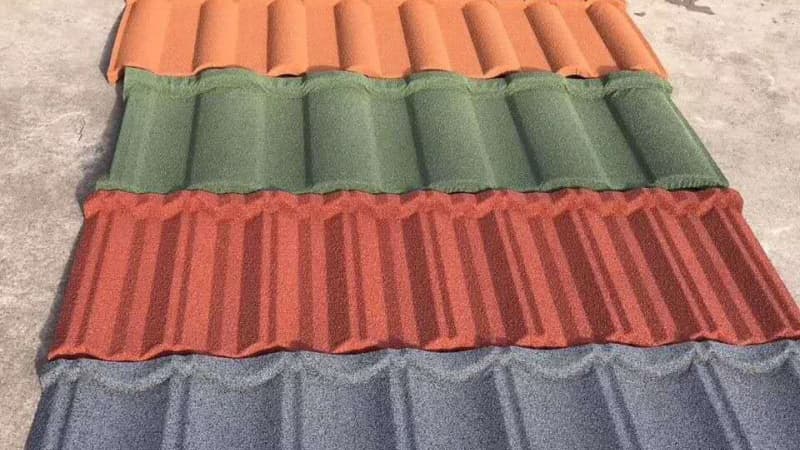
Stone-coated roof tiles are changing the way we think about roofing. Many homeowners struggle with durability, cost, and style. These tiles solve all three issues.
Stone-coated roof tiles combine metal strength with the beauty of traditional roofing. They resist wind, snow, and fire while giving your home a high-end look.
Homeowners often ask if stone-coated tiles are right for their homes. I have installed dozens of projects, and I can confidently say these tiles are practical, durable, and visually appealing.
What are the disadvantages of stone coated roofing?
Some people assume stone-coated roofing has no downsides. The truth is that every material has trade-offs.
Stone-coated roofs are heavier and more expensive upfront than some alternatives, and installation requires professional skills.
%[disadvantages of stone coated roofing]
Even with these drawbacks, stone-coated tiles remain a popular choice. Understanding the disadvantages will help you plan your roof without surprises.
Weight Considerations
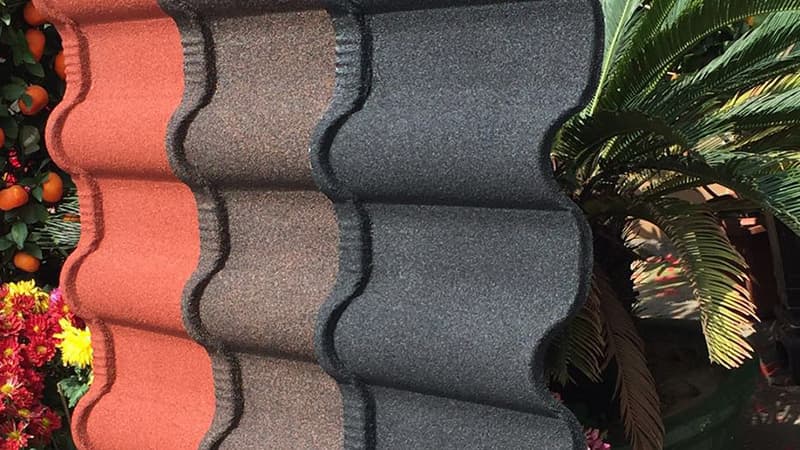
Stone-coated steel tiles are heavier than asphalt shingles but lighter than traditional clay tiles. A typical stone-coated roof weighs 600–900 grams per square foot. This is usually safe for modern homes, but older structures may require reinforcement.
| Factor | Asphalt Shingles | Stone-Coated Steel | Clay Tiles |
|---|---|---|---|
| Weight per sq ft | 200–250 g | 600–900 g | 800–1000 g |
| Durability | 15–20 years | 40–70 years | 50–100 years |
| Installation Skill | Low | High | High |
Cost Considerations
The initial cost of stone-coated tiles is higher than asphalt shingles. Installation can also be more expensive due to the need for specialized labor. However, long-term savings from durability and energy efficiency often outweigh these upfront costs.
Aesthetic and Design Limitations
Stone-coated tiles come in many styles and colors, but extreme customization is harder than with some other materials. Some homeowners may find the design options limited compared to clay tiles.
Maintenance Challenges
Stone-coated tiles are low maintenance, but debris, moss, or algae buildup can occur in wet climates. Regular inspection ensures longevity and avoids costly repairs.
What is the life expectancy of a stone-coated steel roof?
Many homeowners want a roof that lasts decades. Life expectancy is critical when deciding on a roof type.
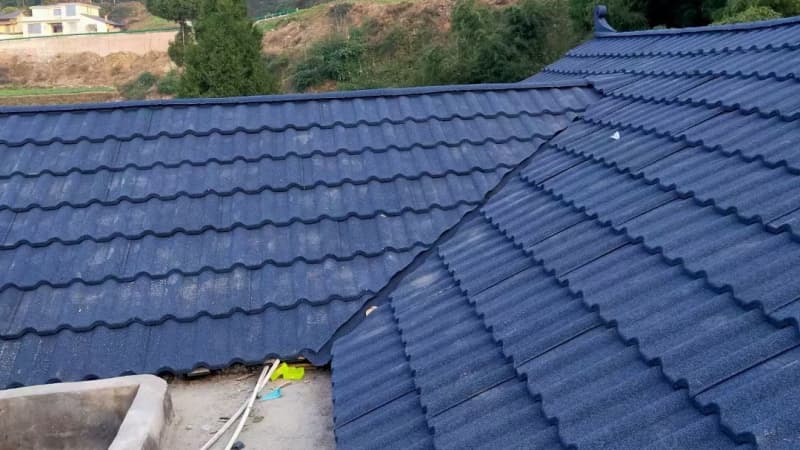
Stone-coated steel roofs often last 40–70 years, depending on climate, maintenance, and installation quality.
I have seen well-maintained roofs remain intact for over 50 years, proving that these tiles are a long-term investment.
Durability Factors
The life expectancy of stone-coated steel tiles depends on the quality of the metal and coating. Galvanized steel with a stone coating resists rust, wind, and fire. Harsh climates can reduce lifespan, but proper installation mitigates most risks.
| Factor | Expected Lifespan | Notes |
|---|---|---|
| High-quality stone-coated steel | 50–70 years | Regular inspection recommended |
| Moderate-quality steel | 40–50 years | May need occasional touch-ups |
| Harsh environment | 30–50 years | Coastal or acidic rain areas require extra care |
Maintenance Tips
Even long-lasting roofs benefit from occasional maintenance. Clean gutters, remove moss, and inspect fasteners every few years. Small repairs prevent large issues.
Comparison With Other Roofs
Stone-coated steel roofs often outlast asphalt shingles and even some clay tiles under the same conditions. The metal core adds strength, while the stone coating adds aesthetic and protective value.
Can you walk on a stone coated metal roof?
Walking on a roof may be necessary for cleaning or inspections. Safety and durability matter.
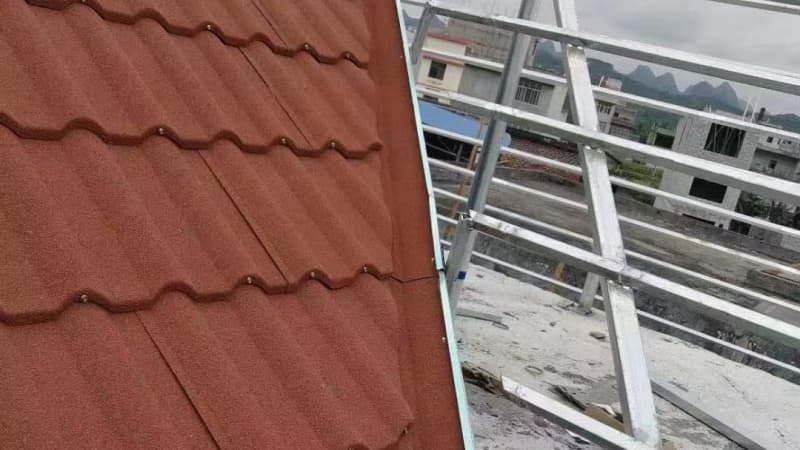
Yes, you can walk on a stone-coated metal roof, but you must step carefully and use safety gear. Improper walking can damage tiles.
I always advise using padded shoes and distributing weight evenly to avoid cracking or loosening tiles.
Safe Walking Techniques
Stone-coated steel is stronger than traditional tiles, but sharp heels, tools, or uneven pressure can cause damage. Walking on the roof should be done with care, ideally using scaffolding or ladders for access.
| Walking Method | Risk | Recommendation |
|---|---|---|
| Barefoot | Low | Not recommended |
| Padded shoes | Low | Best choice for short tasks |
| Heavy tools | High | Avoid or use roof brackets |
| Scaffolding | Minimal | Ideal for inspections or maintenance |
Professional Assistance
For larger tasks, hiring professionals ensures safety and protects your investment. Roofers have equipment to distribute weight and prevent scratches.
DIY Risks
Homeowners who walk on roofs without care risk tile displacement or broken coatings. Even minor damage can reduce lifespan or void warranty.
Is a metal roof better than a stone coated metal roof?
Some people wonder if plain metal roofs are a better option. Each type has advantages depending on needs.
Stone-coated metal roofs combine the durability of metal with the aesthetic appeal of traditional tiles, offering better overall value for long-term investment.
I choose stone-coated tiles for most projects because they balance strength, beauty, and weather resistance.
Aesthetic Comparison
Stone-coated roofs imitate clay, slate, or concrete tiles. Plain metal roofs often look industrial and may not suit all home styles.
| Feature | Plain Metal Roof | Stone-Coated Metal Roof |
|---|---|---|
| Appearance | Simple, industrial | Traditional, elegant |
| Lifespan | 40–60 years | 50–70 years |
| Noise | Higher | Lower due to stone coating |
| Maintenance | Moderate | Low |
Functional Benefits
Stone-coated metal roofs resist wind, snow, fire, and corrosion better than uncoated metal. The coating also reduces noise from rain or hail.
Long-Term Investment
While plain metal roofs cost less upfront, stone-coated roofs provide higher value through energy efficiency, durability, and curb appeal. This often leads to increased property value.
Personal Experience
I installed both types of roofs in multiple projects. Clients consistently prefer stone-coated tiles for their premium look and resilience. Plain metal works for industrial or modern homes, but stone-coated tiles suit residential and commercial spaces that need style and longevity.
Conclusion
Stone-coated roof tiles offer durability, beauty, and long-term value, redefining modern roofing solutions.